
“1 in 3 global consumers want products that make daily life simpler - not more complex.”
In an age of feature overload and constant digital noise, one thing is becoming unmistakably clear: simplicity is the new frontier of innovation. It’s not about piling on more bells and whistles, but about removing friction, reducing complexity, and delivering value that feels intuitive, human, and useful.
The Case for Simplicity: Why Consumers Demand It
A growing body of research confirms that consumers are actively seeking simplicity:
- Global trend reports, such as the Simplicity Consumer TrendSights by GlobalData, highlight a surge in demand for less-complicated lives and products. GlobalData.
- Branding studies from Siegel+Gale have shown that consumers are willing to pay more for simpler experiences. Siegel+Gale+1.
- In PwC’s consumer experience studies, brands that deliver speed, convenience, and clarity tend to command customer loyalty and justify price premiums. PwC.
- A stark warning: 32% of consumers say they’ll walk away from a brand after just one bad experience. The Daniel Group.
- And across CX metrics, over 50% of customers will switch to a competitor after a single unsatisfactory interaction. Zendesk.
These findings reinforce that simplicity isn’t optional - it’s a survival strategy in consumer markets.
What Simplicity Looks Like in Appliances
So what does it mean for home appliances? In practice, it requires:
- Intuitive Design & Controls Buttons that make sense. Fewer modes. Clear labeling. A user shouldn’t need to read a manual to make tea, blend juice, or trim hair.
- Reliable, Low-Maintenance Engineering Burn-resistant surfaces, fewer moving parts, snap-in components. Design that reduces the chances of breakdown, and simplifies repair.
- Affordability Without Complexity Cutting out redundant features so the core purpose remains available to more people.
- Transparent Messaging & Support No jargon. No hidden cost. Easy returns, accessible spare parts, responsive support.
- Cultural & Use-case Adaptation Products adapted to routines - for example, quick-cook bowls, energy-efficient fans, or fast-heat kettles - based on real daily needs.
How Sanford Embeds Simplicity in Its DNA
At Sanford, we view simplicity as an innovation principle, not just a buzzword. Here’s how we integrate it into product and brand design:
- User-Centered Product Philosophy Every new model is tested with real users - homemakers, working professionals, labourers - to see how it fits into real routines rather than ideal ones.
- Minimalist Feature Sets, Maximum Utility Instead of crowding devices with seldom-used modes, we focus on doing the most-used functions extremely well: for instance, a fan that oscillates + humidifies; a trimmer with just enough settings; a multi-cooker that folds basic and advanced cooking into one dial.
- Affordability Without Sacrifice Simplicity enables cost-efficiencies - less wasted hardware, fewer materials, easier assembly - so we can pass savings to consumers.
- Smart Support & Service When things go wrong, we aim to make the repair experience as simple as using the product: clear customer support, easy-to-order parts, minimal diagnostic steps.
- Cultural Sensitivity Appliances designed with regional behaviors in mind - for example, fans with robust filters, or mixers that handle local staples (like masalas, chutneys, etc.).
Real Use Cases: Simplicity in Action
Let’s look at how simplicity transforms everyday lives in real settings:
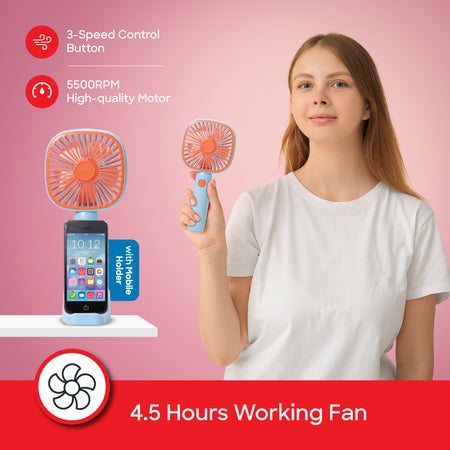
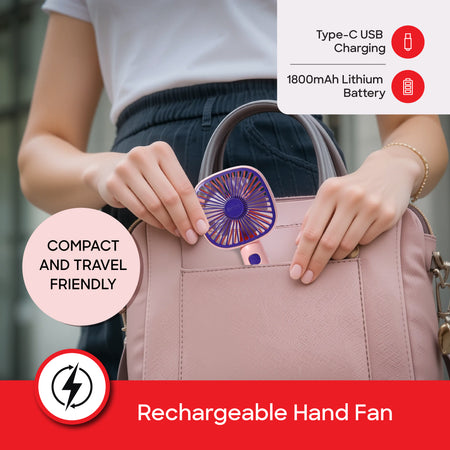
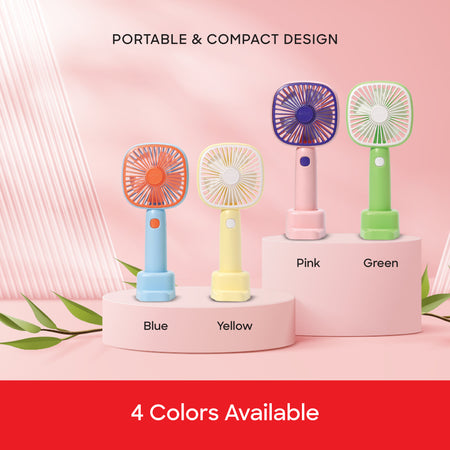
- Labourers & Field Workers A portable Sanford fan that requires a quick one-button operation (on/off, oscillate) can mean the difference between discomfort and relief during scorching hours outdoors.
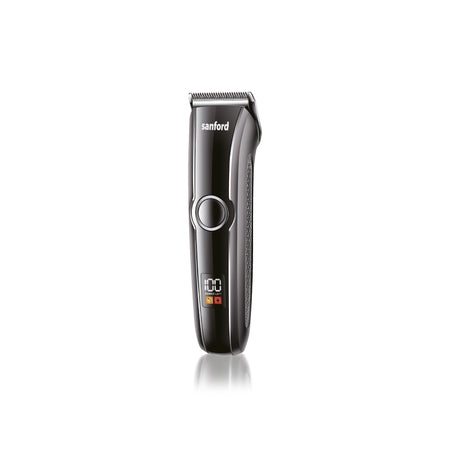
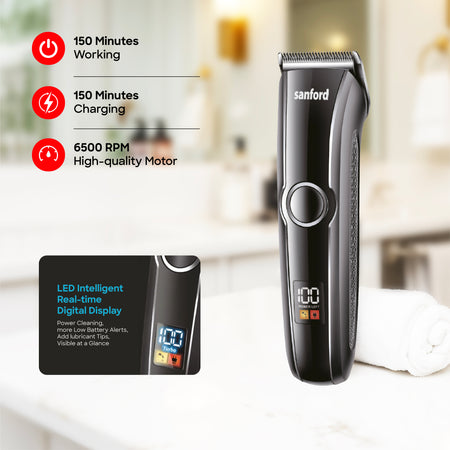
- Homemakers A trimmer with a single safety-lock switch, snap-in guards, and washable parts becomes something family members feel safe giving to teenagers or the elderly.
- Students & Young Professionals A compact air fryer or small multi-cooker that fits a tiny kitchen, runs on minimal power, and cleans in minutes ensures that cooking isn’t a chore, but a convenience.
Each of these scenarios is less about showing off a feature list, and more about removing friction.
The Risks of Overcomplicating Simplicity
True simplicity is deceptively hard. One recent marketing study warns that emphasizing simplicity can raise consumer expectations of zero failure - making any breakdown feel more severe. ResearchGate
Thus, simplicity must be balanced with robustness, clarity in messaging, and strong support systems.
Taking the Next Step: How Sanford & Others Can Lead
- Design for the 80% use-case first - Extra modes come later.
- Measure “Time to Task” - How quickly does a user accomplish what they want?
- Eliminate, Don’t Add - Constantly prune features that aren’t used.
- Focus on Service Simplicity - Support, returns, parts, and updates should be as frictionless as use.
- Collect and Use Feedback - In-home testing, UGC, user reviews to guide what stays and what goes.
In Conclusion: Simplicity as the Future of Appliance Innovation
When people say “Can’t they just make it easier?” - that’s not a complaint. It’s a clarity request. And that is the real innovation challenge today: not to over-complicate, but to strip away complexity until what remains is useful, human, and delightful.
Sanford’s mission is aligned with this: making life easier - not by adding, but by refining. Because a product that just works isn’t basic - it’s brilliant.